
Purpose Before Success: A Masonic Reflection on Living With Intention
In keeping with the themes of intentionality and personal growth we often discuss, I had some notes I wanted to share based on a quote that struck me recently.
“Concentrate on maintaining a high sense of purpose, and the success will flow to you naturally.” — Robert Greene
In our daily lives, it is incredibly easy to get caught up in chasing titles, wealth, or the recognition of others. Robert Greene’s quote reminds us that these external rewards should never be our primary goal. For the Freemason, this is not a new concept; it is the very foundation of our initiation. We are not promised worldly advancement when we enter the Lodge; instead, we are given a system of morality.
We can map this wisdom directly to the working tools and teachings of our Craft:
1. “A High Sense of Purpose” (The Compasses & The Gavel) To maintain a high sense of purpose is to keep our focus entirely on the internal work of character building.
- It means we use the Compasses to circumscribe our desires for external validation and keep our worldly ambitions within due bounds.
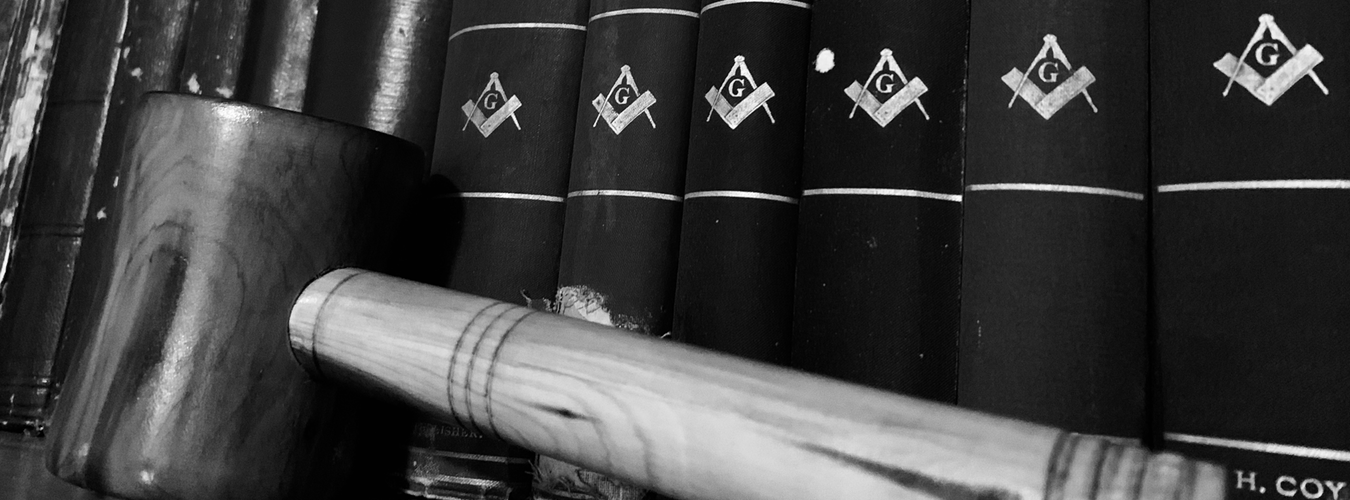
- It is the realization that we must apply the Common Gavel to break off the rough edges of ego, vanity, and pride, focusing instead on the quiet, deliberate labor of making a good man better. Our purpose is the work itself, not the applause that might follow.
2. “Success Will Flow Naturally” (The Square & The Plumb) When a man truly commits himself to a meaningful, virtuous purpose, the very things he might have once chased begin to appear on their own.
- By acting on the Square, dealing justly and honestly with all, a Mason naturally earns the trust of his brethren and his community.
- By standing erect by the Plumb, living with upright integrity, he naturally commands respect and is often called upon to lead. The success—whether it be strong relationships, professional trust, or fraternal leadership—is simply the natural byproduct of a virtuous life.
3. The Reward of the Work Itself Albert Pike captured this Masonic truth perfectly when he wrote: “The reward of a thing well done is to have done it.” Every Mason is engaged in the construction of a spiritual temple. If we labor merely to achieve a title, a jewel, or a seat in the East, our foundation is built on sand. But if we labor to advance in virtue—to become more patient, charitable, and wise—our spiritual house is built to last.
Conclusion: Let us strive to keep our eyes fixed on the designs of the Great Architect rather than the praise of the crowd. May we reflect deeply on our true purpose, trusting that a life built on a solid foundation of virtue will naturally yield all the success and respect we truly need.
Questions for Reflection: I did something different this time. Instead of leaving you with empty questions to reflect upon – I shared my answers. I do reflect and journal my answers to these questions each month/each lesson, as I compose them. I hope this will encourage you to do the same.
- The Compasses: Are we keeping our ambitions and desires for recognition within due bounds, or are we allowing the pursuit of external success to drive our daily actions? If I am completely honest, my passions have slipped outside their proper bounds. My drive to fix problems and contribute has led me to over-volunteer and take on too much. While I recognize this now, correcting it is difficult; my natural inclination is to step in whenever I see a solution to a perceived issue, rather than sitting idly by. Learning to circumscribe this urge to constantly “fix” things will require ongoing, deliberate reflection.
- The Gavel: What rough edges of ego or pride do you need to break off today to return your focus to the simple, quiet purpose of self-improvement? The rough edge I need to chip away is the pride of believing I must carry every load. I know I am approaching burnout and must use the Gavel to narrow my focus. This means stepping back, trusting others to fulfill their own roles, and being at peace with my limits. I know this will disappoint me, as well as a few others who want me to progress in different areas, but it is the reality of my current bandwidth. The immediate work is to actively prune my list of commitments.
- The Square: Can you identify a time in your life when simply doing the right and honest thing naturally resulted in trust and success, without you having to chase or demand it? I found this question difficult because my recent experiences have felt like the opposite. I have tried to lead necessary changes lately—presenting them fairly, putting them to a vote, and avoiding any strong-arming or ulterior motives—yet they were met with fierce contention. It is a harsh reminder that acting on the Square does not always guarantee a smooth path or immediate harmony; sometimes, doing things the right way simply highlights the resistance to change.
- The Temple: Are we laboring in the quarries of life for the reward of a title and public praise, or are we content with the quiet knowledge that we are building a character of lasting value? I am genuinely content with the quiet building of my character; I have no desire for titles or awards unless they are the honest byproduct of faithful labor. However, I realize I need to refocus my efforts inward. I have been spending too much energy trying to “fix” the external things I perceive as lacking in our bodies. My true work now is finding the balance between adding value to the Craft and ensuring I am not neglecting my own internal Temple in the process.
So Mote It Be.
James A. Clark
Author’s Note: This short lesson is a personal reflection combining an insight from Robert Greene with the foundational teachings of Freemasonry. I put it together simply to remind us that while ambition isn’t inherently bad, our Craft teaches us to prioritize our internal virtue above all external rewards. Blending modern observations on success with our traditional working tools shows that the Masonic method of building character is just as relevant—and effective—today as it ever was.
