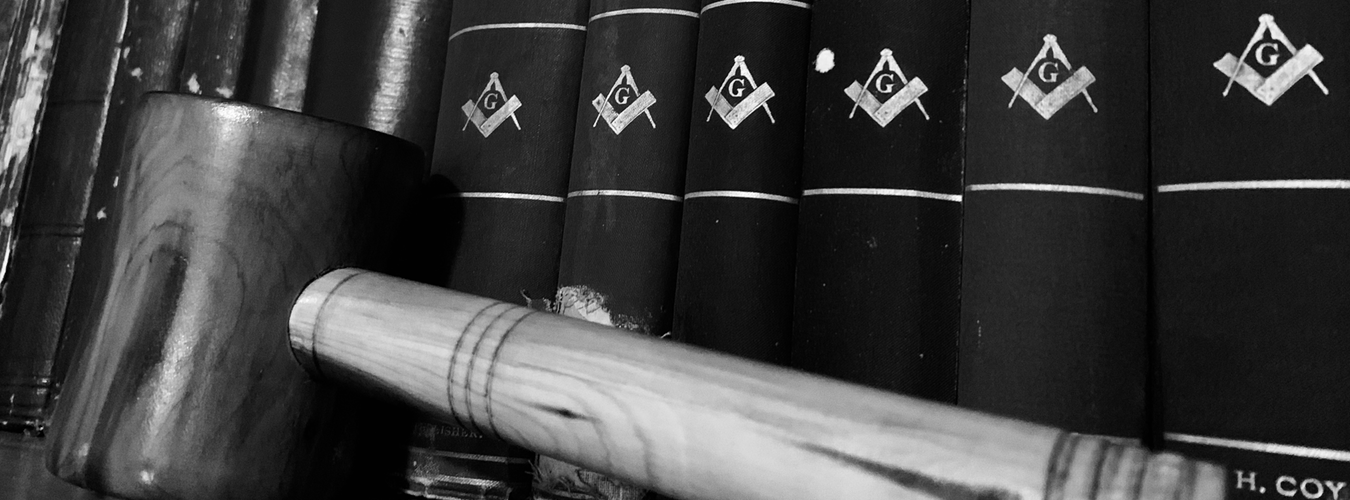

“Quiet Virtue of Restraint”
In every generation, we admire leaders who speak boldly, act decisively, and take charge. But one of the greatest lessons in leadership comes from a man who knew when not to act — My Grandfather, James R. Clark, reminded me of this story.
This month we again visit Brother George Washington.
After the Revolutionary War, Washington could have claimed enormous personal power.
- The army trusted him.
- The nation adored him.
- Congress was weak.
- Many wanted him to be king.
- But Washington refused.
He laid down his sword, resigned his commission, and returned to Mount Vernon. It shocked the world.
One historian said it was “the greatest act of leadership since the days of Cincinnatus.”
Washington understood something profound:
- True power is the ability to rule yourself.
This is the heart of Masonic leadership. It’s not simply about having authority — it’s about using it wisely, sparingly, and with humility.
In Lodge, we see this reflected in the officers who guide with a steady hand, who listen more than they speak, who correct gently rather than loudly.
Outside the Lodge, it shows up in everyday moments:
- Choosing patience instead of anger
- Offering calm when everyone else is frustrated
- Holding back a harsh word even when it feels justified
- Doing what is right even when no one applauds
Washington’s restraint didn’t make him weaker. It made him the kind of man others wanted to follow.
As Masons, we are taught to lead by example — not through force, but through character.
The tools we study remind us to subdue our passions, to circumscribe our desires, and to act with prudence.
Washington embodied this long before he ever sat in a Masonic lodge.
- Leadership without restraint becomes tyranny.
- Restraint without leadership becomes silence.
But leadership guided by restraint becomes virtue.
Questions for the Sideliners
- In a world of loud opinions and hot takes, how can we practice Masonic restraint today?
- When was the last time you held back a harsh word and were glad you did?
- Does our leadership style rely on authority/rank, or on character/example?
Fraternally,
James A. Clark
Author’s Note: The following story is derived from popular anecdote found in general reading. No historical evidence is offered to verify its complete accuracy; it has been adapted here solely to illustrate a Masonic application of self-improvement and discipline.
